
The Böhm method
See through
the eyes of
the person.
Prof. Erwin Böhm's psychobiographical method turns person-centred care into a way of working: with a fixed analysis, an individual care plan and an evaluation the whole team can follow.
01 What it brings
A complete approach to dementia care.
Böhm doesn't only work for the resident. It changes how a team looks at behaviour, and what that costs.
A more contented dayfor the person with dementia
Active for longerdoing what they still can
Less challenging behaviourwithout medication or restraints
Less stressfor care professionals
Lower costsfor the organisation
02 The starting point
Everyone has their own normal.
That picture forms in the first 25 to 30 years of life. With dementia, people fall back on it. The carer adapts to that world, not the other way round.
A life on one line
this is where we connect
The formative years, up to about 30. This is when everyone's own picture of normal forms: habits, taste, ways of dealing with setbacks.
Today. With dementia, that picture becomes the guide again. Know it, and behaviour that seems incomprehensible starts to make sense.
The normality principle
What is obvious to one person is strange to another. Care that matches someone's own normal brings calm and a sense of home.
The reversal phenomenon
As dementia progresses, thinking gives way to feeling. Not what someone knows, but what someone feels, becomes the way in.
No straight line
Dementia is not seen as a straight line down. The aim is independence, and preventing people from becoming institutionalised.
03 Psychobiography
What counts is not the facts, but the feelings that go with them.
The team builds the emotional biography step by step, with the person and their family. Above all, the emotional history up to around age thirty shapes today's needs.
Prägungen
formative impressions
What deeply touched and shaped someone in their early years.
for example: a laid table means Sunday
Copings
dealing with setbacks
How someone got through hard times in the past. It often still works.
for example: roll up your sleeves and get on with it
Spirit of the times
the world back then
The norms, habits and relationships of the time someone grew up in.
for example: calling the doctor 'sir'
04 Seven levels of interaction
At what level can someone be reached?
Böhm describes seven levels, from the adult person to primal communication. By assessing the level precisely, carers can communicate better and work in an activating way. On a good day someone may be a step higher.
05 Working methodically
One way of working for the whole team.
Many organisations work on person-centred care but lack a proven method. Böhm offers a cycle you measure and adjust. Everyone takes part, from gardener to nurse.
- 1
Build the emotional biography
- 2
Assess the level of interaction
- 3
Analyse behaviour
- 4
Write an individual care plan
- 5
Measure and adjust
and then round again
06 Person-centred, for real
What often happens, and what Böhm asks.
What often happens
What Böhm asks
Projecting our own experience onto the resident.
The experience of this one person as the starting point.
A room full of old things from the charity shop.
Things with personal meaning, from someone's own life.
Taking over: doing everything for people.
Activating: doing what you still can yourself. Taking over only in the last phase of life.
A biography that is filled in once.
Biographical information the team keeps adding to.
07 Fits what you already do
Böhm replaces nothing. It makes care measurable.
The method fits with familiar models and adds a methodical analysis and an evaluation framework.
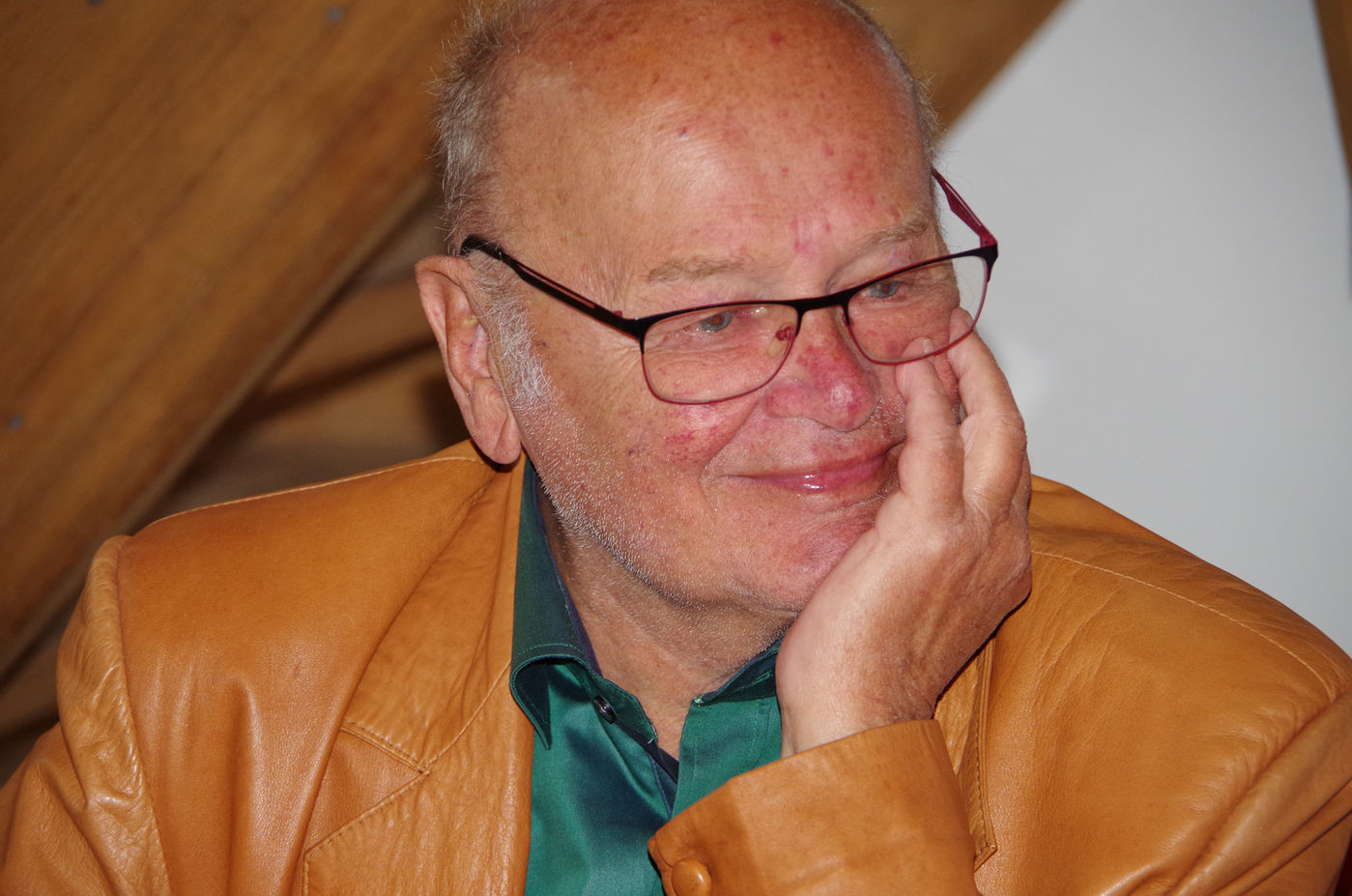
Who is Erwin Böhm?
- 1941Born in Vienna. Trained in practice as a geriatric nurse.
- 1983The model of reactivating care according to Böhm is born.
- 1985Recognition at a world congress of geriatrics in New York.
- 1990Since then focused on developing the theory. ENPP-Böhm holds the international rights of use.
Frequently asked questions
Good to know.
What is the Böhm method?
Prof. Erwin Böhm's psychobiographical method is a way of caring for and supporting people with dementia and other cognitive impairments. You gather the person's lived life story, assess the level at which they can still be reached, and tune care to it. The aim is a contented day with as much independence as possible.
What does 'personal normality' mean?
Everyone has their own habits and certainties, mostly from their early years. With dementia, people fall back on these. Care that matches that personal normality feels familiar and calming.
Who is the Böhm method for?
Care professionals in home care, day care, small-scale living and nursing homes, and since 2025 also family carers and volunteers. The method is not complicated, but it asks for consistent, logical thinking.
Does the Böhm method fit person-centred care?
Yes. Böhm does not replace existing approaches; it adds a structured analysis and evaluation so results become measurable. It fits with person-centred care, validation and Dementia Care Mapping, among others.
Where is Böhm used in the Netherlands?
Zorgboerderij Giersbergen in Drunen became the first certified Böhm organisation in the Netherlands in 2015, followed by day-care centres, small-scale homes and nursing homes.
Ready to work
with Böhm?
Take the course yourself, or with your whole team.
